Solo First: How Going It Alone Quietly Turns You Into a Collaboration Powerhouse

Somewhere along the way, working alone got a bad reputation.
Open offices replaced closed doors. Brainstorming sessions replaced quiet mornings with a notebook. Slack channels replaced the kind of deep thinking that used to happen when nobody was pinging you every eleven minutes. The creative world got sold on the idea that collaboration is always the answer — that more voices, more input, more real-time feedback equals better work.
Except it doesn't. Not automatically. And honestly, not even usually.
Here's the thing nobody says out loud in those team retrospectives: the creatives who are genuinely great to work with are almost always the ones who have a strong solo practice outside of the group. They come to the table with actual ideas. They can hold a position under pressure because they've already stress-tested it alone. They know when to bend and when to stand firm, because they've done the quiet work of figuring out what they believe.
The paradox is real. Going it alone is what makes you good at going it together.
What Constant Collaboration Actually Does to Your Brain
When you're always in group mode — always workshopping, always riffing, always in reaction to someone else's take — your creative instincts start to atrophy. You get good at responding. You get worse at originating.
This isn't some abstract theory. Organizational psychologists have been documenting it for years. The phenomenon sometimes called "collaborative fixation" describes how early group input can actually narrow the range of ideas a team explores, because people unconsciously anchor to the first things said out loud. You lose the weird, half-baked, potentially brilliant ideas that only surface when someone has time to sit with a problem alone before the group gets involved.
For creatives specifically, the cost is even steeper. Writing, designing, composing, building — these are disciplines that require sustained attention and a kind of internal dialogue that's almost impossible to maintain when you're surrounded by other people's energy. You can't hear your own creative voice if everyone else's is louder.
The result? A lot of creatives who are technically "collaborative" but who don't actually bring much to the collaboration. They're great at reacting. They're less great at leading.
The Mastery Gap Nobody Talks About
Here's what I've noticed: the creatives who struggle most in collaborative settings are usually the ones who haven't put in enough solitary reps.
When you haven't done the solo work — when you haven't wrestled with your craft alone long enough to develop genuine opinions about it — you become dependent on the group to tell you what's good. That sounds harmless, maybe even humble. But it creates a real problem. You can't advocate for an idea you're not sure about. You can't push back on feedback that's wrong if you don't have the internal framework to recognize why it's wrong.
Mastery, the kind that comes from serious individual practice, gives you something concrete to bring into a room. It means you've already made a thousand small decisions — about tone, about structure, about what the work is actually trying to do — before you ever ask for input. That foundation is what makes collaboration generative instead of just noisy.
Think about the musicians who are legendary collaborators: the session players who can jump into any project and make it better. Almost universally, they've logged thousands of hours alone with their instrument before they ever walked into a studio with someone else. The collaboration works because the individual craft is already solid.
A Practical Framework for Balancing Both
This isn't an argument for becoming a hermit. Collaboration done well is genuinely powerful — it surfaces blind spots, introduces unexpected angles, and creates work that none of the individuals could have made alone. The goal isn't to avoid it. The goal is to come to it better prepared.
Here's a rough framework that's worked well for me and for a lot of creatives I respect:
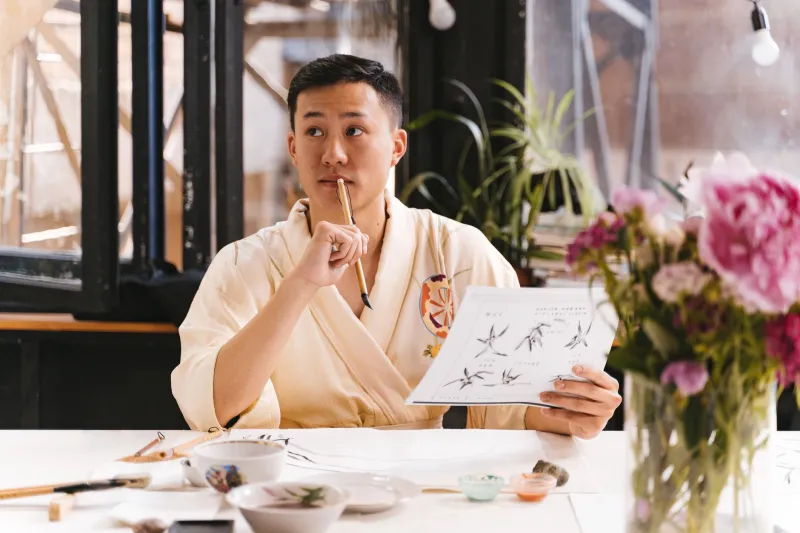
Solo first, always. Before you bring anyone else into a project, spend real time with it alone. Not just a few minutes of thinking — actual working time where you develop a point of view. Write the draft. Sketch the concept. Build the prototype. Get it to a place where you have something defensible, even if it's rough.
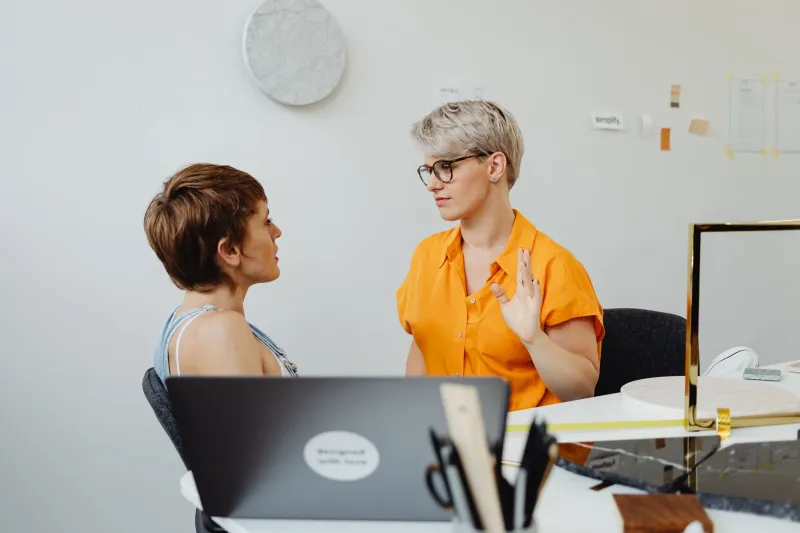
Name your intentions before you open the floor. When you do bring collaborators in, be explicit about what you're looking for. Are you stress-testing the concept? Filling in gaps you've identified? Looking for execution help? Vague requests for "thoughts" produce vague feedback. Specific questions produce useful answers.
Protect your processing time. After a collaborative session, don't immediately act on everything that was said. Give yourself a day — or even just a few hours — to sit with the feedback alone before you start implementing. This is where you separate the signal from the noise. Some feedback that felt important in the moment won't hold up. Some throwaway comment will turn out to be the most useful thing anyone said.
Build a regular solo practice that has nothing to do with client work. This is the long game. Keep a sketchbook, write something nobody will read, make things just for yourself. This is where your creative instincts actually develop. It's the practice that makes every collaborative project better, even when it's not directly connected to it.
The Listener Problem
One underrated benefit of deep solo work: it makes you a better listener in collaborative settings.
When you're anxious about your own ideas — when you're not sure what you think or whether your contribution has value — you spend a lot of mental energy in group settings managing that anxiety. You're half-listening to what others are saying and half-rehearsing what you're going to say next. You're performing engagement instead of actually engaging.
Creatives who have done the solo work tend to be genuinely calmer in collaborative environments. They're not threatened by someone else's good idea, because their sense of creative identity isn't on the line. They can actually hear what's being said, sit with it, and respond thoughtfully instead of reactively.
That's a skill that makes you invaluable on any team. And it's almost impossible to develop without serious time spent working alone.
The Real Point
The creative culture right now is obsessed with connection, community, and constant feedback loops. Some of that is genuinely good. But the pendulum has swung too far, and a lot of creatives are paying the price in work that feels half-formed, in collaborations that never quite get traction, in a persistent sense that they're reacting to everything and driving nothing.
The fix isn't complicated, even if it's not easy. Go spend some time alone with your work. Get good at it on your own terms. Develop opinions. Make things nobody asked for. Build the kind of internal creative foundation that doesn't wobble when someone pushes on it.
Then bring that person into the room. Watch what happens to your collaborations.
The best team player you'll ever become is waiting on the other side of some serious solo practice. That's not a contradiction. That's just how craft works.