Creative Chemistry Gone Wrong: How to Vet a Collaborator Before You're Stuck in a Nightmare Project
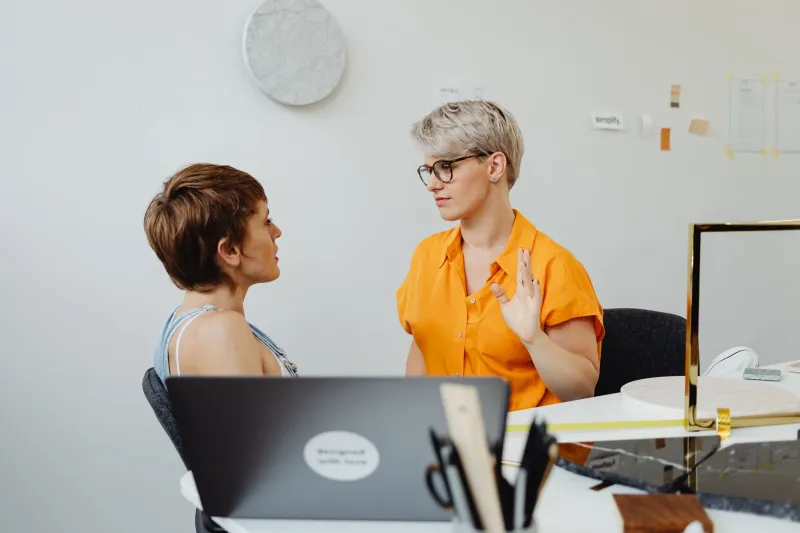
Here's a scenario that's probably happened to you or someone you know: Two creatives meet at an event, or slide into each other's DMs, or get introduced through a mutual friend. The energy is great. The ideas are flying. You both agree this is going to be something special. Then, about six weeks in, you're staring at a half-finished project, a string of unanswered messages, and a growing sense that you should've known better.
Collaboration is one of those things the creative world romanticizes hard. Two minds, one vision, twice the output — that's the pitch. But the reality is that most creative partnerships fail not because the people involved lack talent. They fail because of misaligned expectations, fuzzy ownership, and the kind of interpersonal friction that nobody talks about until it's already too late.
So let's talk about it before it's too late.
The Myth of Instant Creative Chemistry
There's a difference between enjoying someone's company and being able to actually work with them. Those two things feel identical in the early stages, which is exactly where the trap is.
When you meet a creative whose work you admire, there's a natural impulse to want to build something together. That impulse is worth paying attention to — but not blindly. Excitement about someone's portfolio isn't the same as compatibility. The way a person approaches their own work solo tells you almost nothing about how they'll behave when there's shared ownership on the line.
The first question worth asking yourself: have you ever seen this person navigate a disagreement? Not conflict for its own sake, but genuine creative tension — the kind where two people have different ideas and someone has to give ground. If the answer is no, you don't actually know who you're getting into business with yet.
Red Flags That Show Up Before the Project Even Starts
Some warning signs are subtle. Others are basically a flare gun going off in your face. Here are the ones worth paying attention to:
They can't articulate what they want from the partnership. Vague enthusiasm isn't a plan. If someone can't tell you what they're bringing, what they need, or what success looks like to them, that ambiguity is going to become your problem.
They talk about past collaborations in a way that's always someone else's fault. Everyone has a bad partnership story. But if every story ends with them as the victim of an unreasonable partner, that's a pattern worth noting.
They're slow to respond before the project starts. Communication habits don't magically improve once a deadline is involved. If someone takes five days to reply to a casual planning email, assume that's your preview of what's coming.
They're allergic to specifics. Creatives who resist nailing down deliverables, timelines, or credit structures often have a reason for that resistance — even if they can't name it. Comfort with ambiguity is a creative strength. Using it to avoid accountability is something else entirely.
The vision is entirely theirs, and your role is fuzzy. This one's tricky because it can feel flattering at first. But if someone is pitching you on a project where they've already decided everything and just need your hands on it, that's not a collaboration — that's a subcontract with extra steps.
What Healthy Partnerships Actually Look Like Before They Start
The best creative collaborations I've seen — and the ones that hold up past the first rough patch — share a few things in common. None of them are complicated, but all of them require a willingness to have slightly awkward conversations early.
Ownership gets decided upfront. Who holds the rights to what? If the project generates revenue, how does that split? If one person wants to exit, what happens to the work? These aren't fun questions, but they're a lot less fun to answer mid-project when emotions are running high.
Both people know what "done" looks like. Scope creep kills collaborations the same way it kills client projects. Before anything gets made, get specific about what the finished thing actually is. Write it down. Revisit it when things get murky.
There's a built-in off-ramp. The best partnership agreements include a way for either party to step back without burning the whole thing down. A simple trial period — say, one contained deliverable before committing to the larger project — lets both people test the working relationship with lower stakes.
Creative decision-making has a tiebreaker. When two people have equal stakes and equal say, disagreements can hit a wall fast. Decide ahead of time how you'll handle creative differences. Who has final say in which areas? Is there a third voice you both trust who can weigh in?
The Part Nobody Wants to Admit
Sometimes the red flags are there and you ignore them anyway, because the opportunity feels too good, or because you don't want to seem difficult, or because you genuinely like the person and want to believe it'll work out.
That's human. But creative partnerships that start with you overriding your own instincts rarely end well. The warning signs you spot before you commit are almost always easier to deal with than the fallout you're managing six months later.
There's real craft in knowing who to build with — not just what to build. The most interesting creative work tends to come from partnerships where both people were honest about what they needed before the first thing got made. That honesty isn't a buzzkill. It's actually what makes the collaboration possible in the first place.