Hands-On in a Hands-Off Era: Why Real Craft Is Having Its Moment
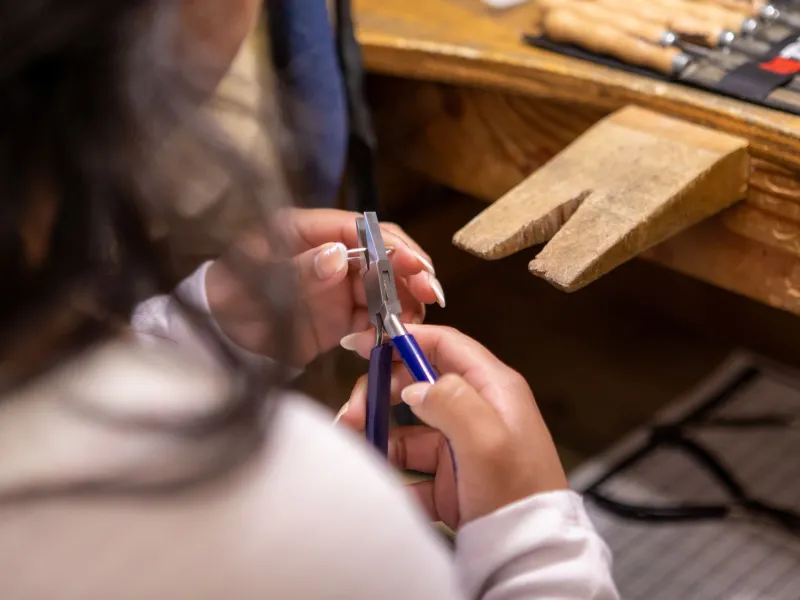
There's a woodworker in my neighborhood who has a six-month waitlist. A ceramicist I follow online sells out every drop in under ten minutes. A letterpress printer in Portland charges three times what digital design shops do — and her clients are lined up. Meanwhile, the internet is flooded with AI-generated art, algorithmically assembled music, and content that nobody actually made in any meaningful sense of the word.
Something is happening. And if you're a creative professional paying attention, it's worth understanding.
The Authenticity Deficit Is Real
We're living through a strange paradox. Technology has made creation easier and faster than at any point in human history. You can generate a logo, a screenplay draft, or a full album cover without touching a single tool. That's genuinely remarkable. But the more frictionless creation becomes, the more people seem to crave evidence that something cost someone something — time, skill, focus, years of practice.
This isn't just nostalgia. It's a market signal.
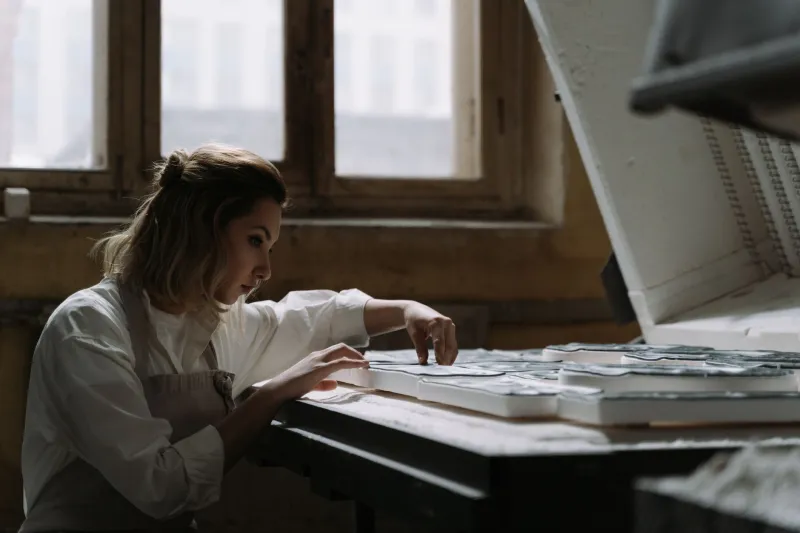
When audiences scroll past thousands of AI-generated images without blinking, and then stop dead on a photograph of a craftsperson at their bench — hands stained, tools worn — that's telling you something about what actually registers emotionally. The imperfections, the evidence of process, the visible proof that a human being invested real effort: these things cut through in ways that polished, frictionless output simply doesn't.
Authenticity has become the scarcest resource in the creative economy. And scarcity, as anyone with a basic understanding of markets knows, creates value.
Mastery Is the Differentiator Nobody Talks About Enough
Here's what I've noticed working in creative spaces for a while now: the people who are genuinely thriving — not just getting likes, but building real careers, landing meaningful clients, earning durable reputations — are almost universally people who went deep on something.
Not wide. Deep.
They didn't pivot every six months chasing whatever the algorithm rewarded that quarter. They picked a craft, stayed with it, got uncomfortable, got better, stayed some more. And somewhere in that process, they developed something that's genuinely hard to replicate: actual expertise.
Mastery isn't glamorous to pursue. It's slow and frequently humbling. But the thing about skill-based differentiation is that it compounds. Every hour you put into genuinely understanding your craft — whether that's illustration, furniture making, film editing, or hand-lettering — builds on the last. AI tools don't have that compound interest working for them. They can produce impressive outputs, but they can't develop taste, intuition, or the kind of contextual judgment that comes from years of real practice.
That's your edge. Don't give it up chasing shortcuts.
The Cultural Shift Happening Right Now
Look at what's resonating in American culture lately. The sourdough era during the pandemic wasn't just about bread — it was about people reclaiming the experience of making something with their hands. The rise of craft beer, small-batch everything, artisan this and that — yes, some of it is marketing, but the underlying appetite is genuine. People want to feel connected to the things they consume and the people who made them.
On platforms like YouTube and TikTok, the most consistently engaging content in creative spaces isn't the polished, auto-tuned stuff. It's process videos. People watching a knife being forged, a mural being painted, a piece of furniture being built from raw lumber. The comments on these videos are almost universally some version of: I could watch this for hours. That's not an accident.
The audience is telling you what they value. Are you listening?
How to Build a Reputation as Someone Who Does the Real Work
Okay, so you're convinced the craft renaissance is real. What do you actually do with that information?
Show your process, not just your output. The finished piece is the destination, but people are increasingly interested in the journey. Document how you work. Share the drafts, the failures, the iterations. This isn't about being vulnerable for vulnerability's sake — it's about demonstrating that your work has a human being behind it with genuine thought and decision-making baked in.
Invest in a specific, learnable skill and go public with the learning. Pick something that genuinely interests you and commit to getting measurably better at it over the next year. Share that journey. Audiences connect with people in motion, working toward something, not just people who've already arrived.
Be honest about your tools without being defensive. Using digital tools doesn't disqualify your work from being craft. But be clear about what you're doing and why. Authenticity isn't about being analog — it's about being honest. If you use AI as a starting point and then do significant creative work on top of it, say so. If you do everything by hand, that's worth mentioning too. Transparency builds trust.
Charge for your expertise, not just your output. This is a big one. If your pricing is based purely on deliverables and not on the years of skill that went into being able to produce those deliverables well, you're undervaluing yourself. The craftspeople with the waitlists aren't cheap. They're expensive because they're good and because they've built reputations that justify the price.
The Long Game Is the Only Game Worth Playing
The digital world rewards speed. Algorithms love volume. The whole infrastructure of modern content creation is optimized for more, faster, now. And for certain goals, that approach makes sense.
But building a genuine creative reputation — the kind that leads to meaningful work, loyal clients, and a career that actually sustains you — operates on a different timeline entirely. It's built through accumulated evidence of real skill, consistent quality, and the kind of integrity that only comes from doing the work properly instead of just efficiently.
The craft renaissance isn't a trend to exploit. It's a reminder of something that was always true: people can feel the difference between work that was made with care and work that was just produced. In a world drowning in the latter, the former is more valuable than ever.
Get good at something real. Then show your work.